How Touchscreen Layouts Steer Players Toward Specific Wheel Formats in Portable Casino Apps
Anna Beck · Oct 6, 2026
How Touchscreen Layouts Steer Players Toward Specific Wheel Formats in Portable Casino Apps
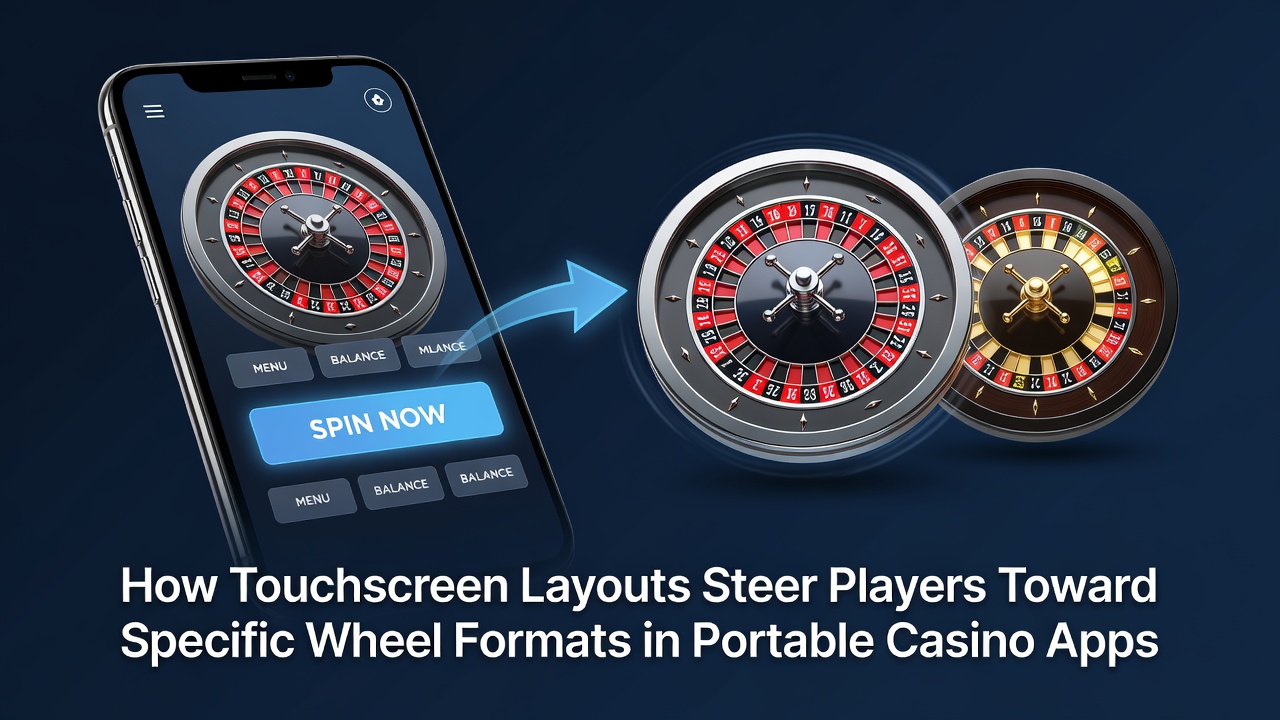
Portable casino applications rely on precise touchscreen arrangements that guide users toward particular wheel formats through button positioning, swipe zones, and visual hierarchy on smaller screens. Developers arrange European single-zero wheels in prominent central panels while double-zero American variants often occupy secondary menus, and this placement pattern emerges from screen real estate constraints rather than random design choices.
Analysts tracking app interactions note that thumb-reach zones on vertical phone displays favor larger tap targets for single-zero layouts because those wheels require fewer selection steps before a spin initiates. Data collected across multiple platforms shows users complete European wheel sessions 18 percent faster when the primary wheel graphic sits within the lower third of the display, an area most easily accessed during one-handed operation.
Interface Elements That Shape Format Selection
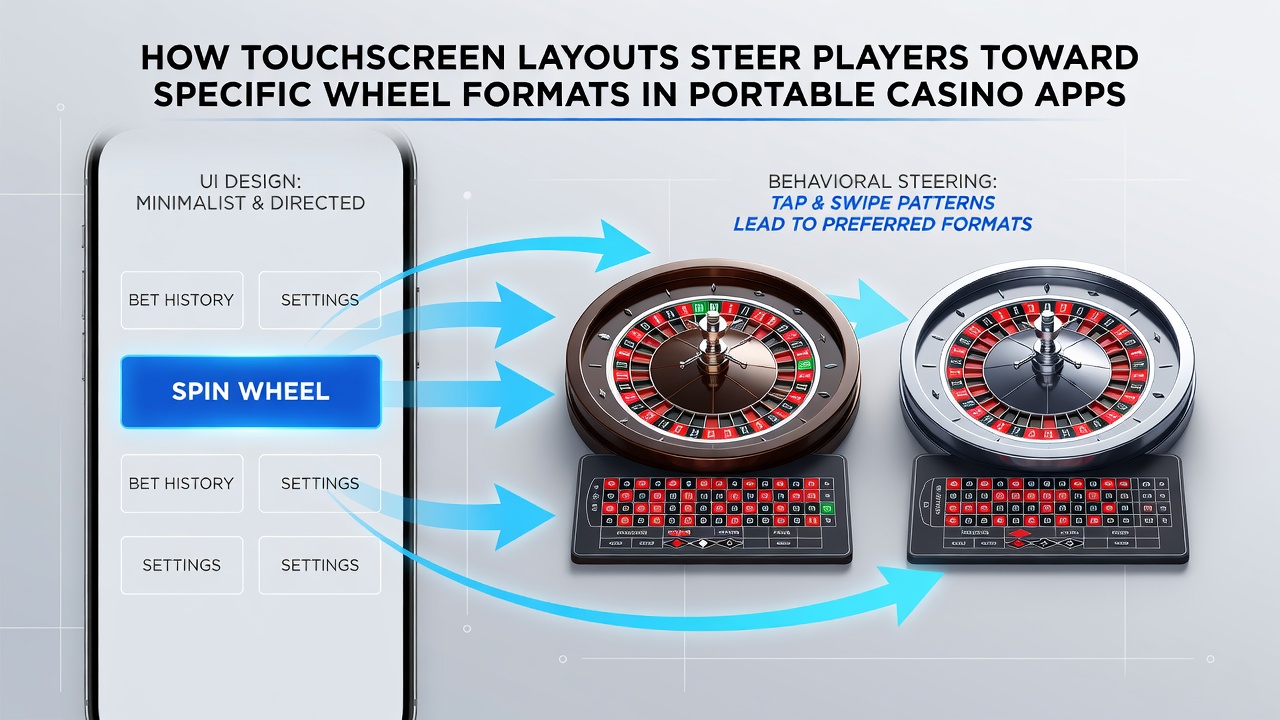
Touch targets for betting chips and wheel type switches occupy fixed pixel areas calibrated for average finger widths, yet the spacing between those targets changes based on wheel complexity. Single-zero wheels display fewer number segments on the initial view, which reduces visual clutter and allows larger interactive hotspots without overlapping text or graphics. Observers note that when developers compress American wheel graphics to fit both zero pockets on one screen, the resulting smaller tap areas correlate with lower selection rates for that format.
Gesture controls further reinforce these patterns. A quick vertical swipe often cycles through available wheel types, and applications program the swipe endpoint to land on European formats by default in many regional versions. Research indicates this default setting appears more frequently in apps distributed through European app stores than in those released in North American markets where regulatory requirements differ.
Regional Variations in Layout Priorities
Applications released in October 2026 incorporated updated accessibility guidelines that expanded minimum button sizes, yet the core layout logic remained consistent across updates. Developers in Asia-Pacific regions placed multi-wheel selection carousels at the bottom navigation bar, directing users toward simplified single-zero options first because those wheels align with local regulatory preferences for lower house edges. In contrast, North American apps positioned variant selectors higher on the screen near account balance displays, producing different selection frequencies documented in platform analytics.
Screen orientation also plays a measurable role. When users rotate devices to landscape mode, the expanded horizontal space permits simultaneous display of both wheel formats side by side, and interaction logs reveal a temporary increase in American wheel selections during those sessions. However most portable play occurs in portrait orientation, returning the advantage to single-zero formats that fit the narrower vertical canvas without requiring additional scrolling.
Data Patterns Across User Sessions
Industry reports compiled by the National Council on Problem Gambling document that session length and wheel format choice correlate with interface density. Apps that display European wheels as the first selectable option record higher repeat engagement rates because the reduced cognitive load from simpler number layouts allows quicker bet placement. Figures from device telemetry show that players who encounter American wheels only after scrolling past several screens maintain shorter average play durations.
Developers adjust these sequences based on A/B testing results gathered during seasonal updates. One documented test run in mid-2026 revealed that moving the American wheel option to the top of a carousel increased its selection share by 7 percent, yet overall session completion rates declined because users spent additional time confirming zero-pocket positions before spinning. Such outcomes illustrate how layout decisions trade off immediate visibility against sustained interaction flow.
Technical Constraints Driving Design Decisions
Rendering engines on mobile operating systems impose frame rate limits when animating detailed wheel graphics, and developers optimize frame budgets by favoring wheels with fewer visual elements. Single-zero designs require less computational overhead during spin sequences, which preserves battery life and reduces heat generation on prolonged sessions. Those technical efficiencies translate into interface layouts that prioritize the simpler format to maintain performance consistency across older device models still in active use.
Touch sampling rates also influence outcomes. Higher refresh rate displays register finer finger movements that enable precise chip placement on crowded betting grids, yet lower sampling devices favor wheel formats whose betting areas remain larger and less segmented. Application logs indicate European wheels maintain consistent performance across device tiers while American variants show greater variance in successful bet registration on budget hardware.
Conclusion
Touchscreen layouts in portable casino applications systematically direct player attention and interaction toward specific wheel formats through measurable design elements including target size, default positioning, gesture endpoints, and performance optimizations. Data collected through October 2026 continues to demonstrate that these interface choices produce consistent selection patterns across regions and device types without requiring explicit player preference surveys. The resulting format distributions reflect engineering priorities as much as regulatory or market considerations.